

THE CHRISTIAN ATTACHMENT BOOK (Kindle and ePub)
THE CHRISTIAN ATTACHMENT BOOK (Kindle and ePub)
5.0 / 5.0
(5) 5 total reviews
Couldn't load pickup availability
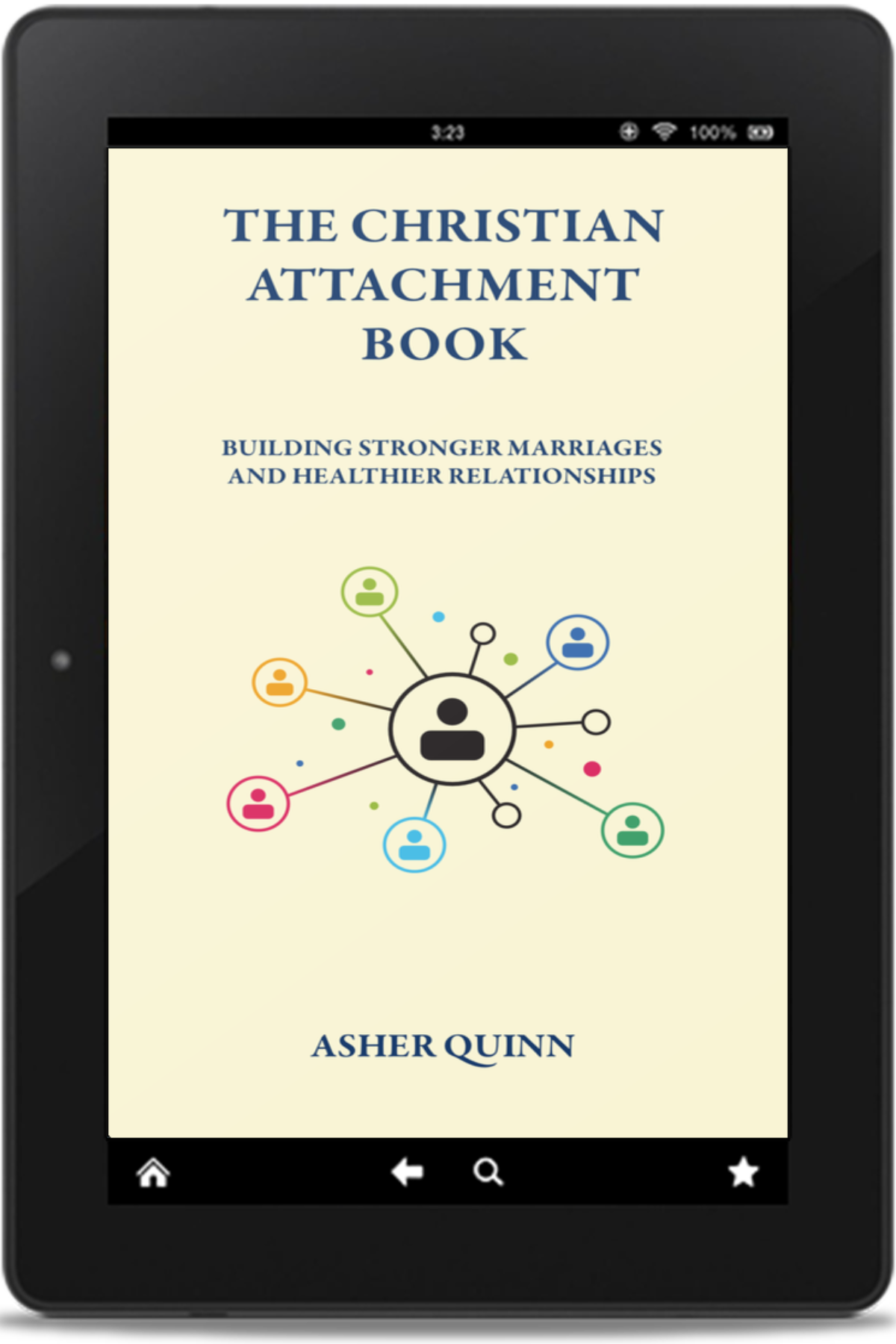
Many people live surrounded by others and still feel unseen. They show up, speak politely, stay busy, and yet carry a quiet sense of isolation that never quite lifts. This book begins there—not with techniques or quick reassurance, but with an honest recognition that something essential is missing in modern life and in many Christian relationships.
This is a book about connection: how it breaks, how it shapes us, and how it can be restored. Drawing on attachment theory, theology, and lived experience, it explores why closeness can feel threatening, why loneliness can persist even in community, and why faith itself can feel distant when our relational foundations are shaken. Loneliness here is treated as more than a social problem. It is understood as a relational and spiritual wound—one that reaches into how we love, trust, pray, and belong.
At the heart of the book is a simple but demanding claim: we were made for secure attachment. Not shallow connection or constant visibility, but presence that stays. The kind of presence God reveals in Christ—near, attentive, unafraid of vulnerability. Through careful reflection, the book shows how early relational patterns shape adult relationships and even influence how we imagine God. It explains anxious, avoidant, and disorganized attachment not as labels or excuses, but as understandable adaptations that can be named, softened, and reshaped over time.
This is not a book of slogans or self-improvement shortcuts. It is written for readers who want depth rather than hype, clarity rather than sentimentality. It speaks to Christians who feel tired of performing, who long to be known without fear, and who sense that faith was meant to feel more rooted and relational than it often does. Along the way, it offers practical insight, spiritual grounding, and gentle challenges that invite real change through presence, honesty, and practice.
The book also looks outward, asking what a culture of disconnection is doing to friendships, marriages, churches, and communities—and how ordinary people can quietly resist it by choosing attentiveness over avoidance and faithfulness over withdrawal. Healing, it argues, rarely arrives through dramatic moments. It grows through small, repeated decisions to stay present, to repair rather than disappear, and to trust again.
If you have ever felt lonely in a crowd, anxious in closeness, distant from God, or unsure why love feels harder than it should, this book offers language, understanding, and hope. Not the promise of instant change, but the possibility of real connection—grounded in truth, sustained by grace, and practiced one step at a time.
This gave me a really grounded way to think about attachment through a Christian lens without feeling overly clinical or preachy. It was practical, easy to follow, and I found myself reflecting on a few relationship patterns I hadn’t put into words before.
I really enjoyed reading this book, I highly recommend it.
I am fascinated by books about attachment theory. They help you understand your past and why you are how you are today. As a Christian there aren't many books specifically for us, so I thought I'd purchase this one, and I'm glad I did. It's really very good at explaining all this stuff for Christians and from a Christian perspective. I find the book to be incredibly informative, useful, practical and seriously motivating and encouraging.
Simply superb book!
A deeply insightful book that helps you understand your relationships, your faith, and how real connection can grow over time.
I didn’t expect this book to hit as deeply as it did. The Christian Attachment Book put words to things I’ve felt for a long time but never knew how to explain, especially that strange mix of being around people yet still feeling alone. It doesn’t rush in with fixes or positive talk. It starts by telling the truth about how disconnected so many of us feel, even in church, even in faith, and that honesty hooked me straight away.
What really stood out is how clearly it connects our relationships with people to our relationship with God. The way it explains attachment styles made so much sense, without turning them into labels or excuses. I could see myself in the patterns it described, and instead of feeling judged, I felt understood. It helped me see how old ways of coping still shape how I love, trust, and even pray, and why closeness can feel hard even when it’s what I want most.
This book feels deep but not heavy, thoughtful without being cold. It’s the kind of book you keep thinking about after you’ve put it down. It gave me language, clarity, and real hope that connection can grow again, slowly and honestly. Not through big emotional moments, but through staying present and learning to trust a little more over time. It’s one of the most meaningful Christian books I’ve read in a long while.